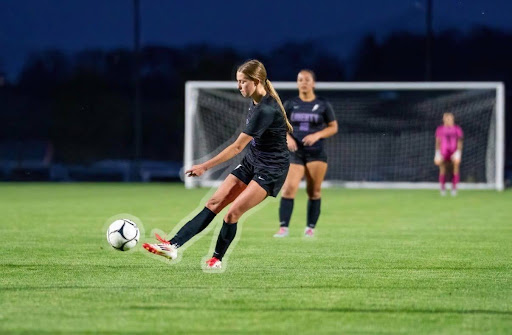
For decades, youth sports have been a vital part of many kids’ lives. Alongside school teams, youth club teams have surged in popularity.
In the 1950s and 1960s, there were hardly any opportunities for youth sports outside of the few teams offered at schools. Even then, there was little variety of sports and little opportunity for girls’ sports teams. During the 1980s and 1990s, club teams boomed in popularity. Today, the youth club sports market makes nearly $37.5 billion annually. With the growth of club sports, many teenage athletes are faced with the decision of whether to play school sports, club sports or both.
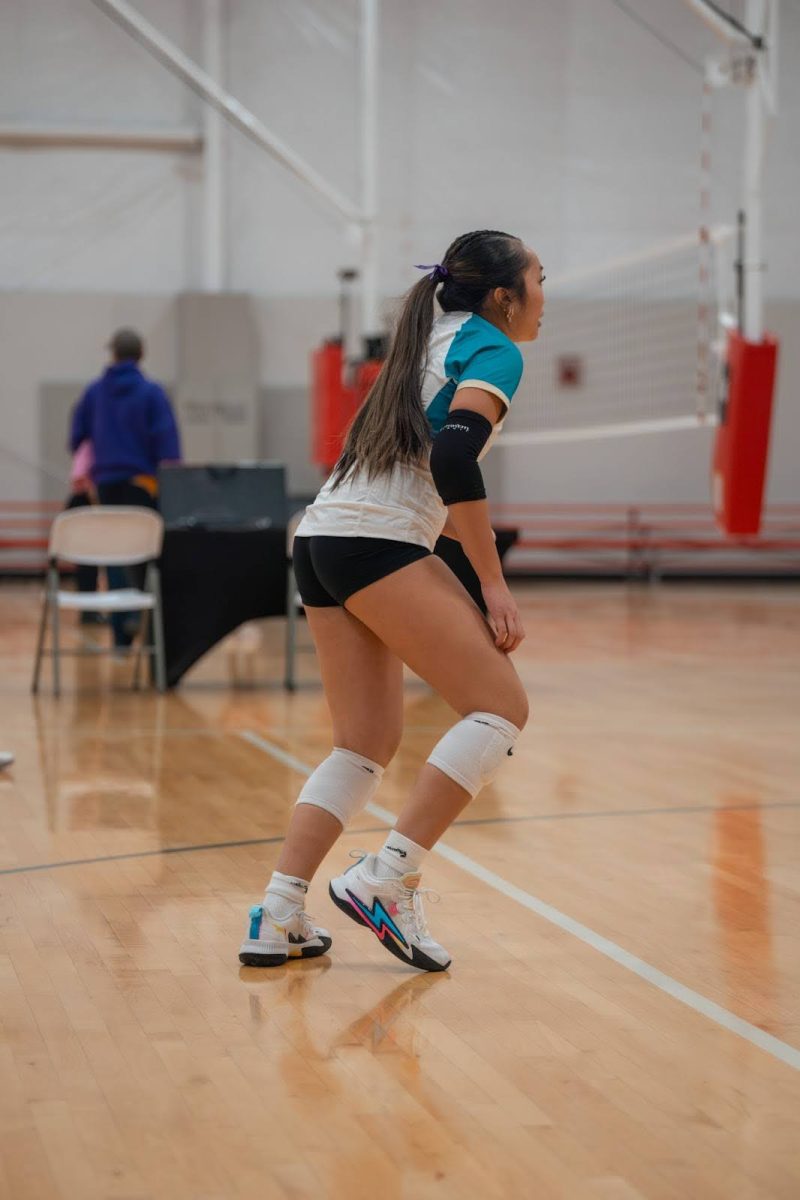
Ellie Lieu, 9, explains her decision to stop school volleyball and focus on club volleyball.
With limited spots on the roster, school volleyball remains competitive. Club teams, however, offer more options for playing time.
“There are so many different clubs and so many different teams that you can make,” Lieu said.
According to Lieu, school teams can have big gaps in skill level, too.
“For club, you get matched with a lot of different girls that are from different places,” Lieu said.
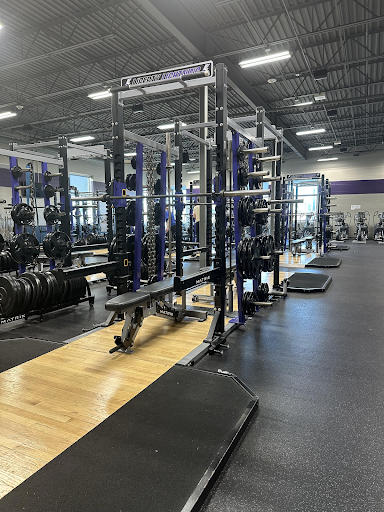
Club teams require more commitment on the weekends, while school teams include practice, meetings and weightlifting. Since club teams travel more frequently and further in distance, the costs of clubs can quickly add up.
“You pay for the club itself, and the club has to pay for a lot of things, like car rentals, tournament sign-ups [and] jerseys,” Lieu said.
Though club teams can be quite costly, they also offer advantages when it comes to going D1 and getting an athletic scholarship. School teams can record athletes’ records to be recognized by colleges, but most recognition and athletic scholarships come from networking at club tournaments.
“In clubs, if you’re on a really good team, then you can go to nationals and get recognition, especially when you’re older, from coaches that come,” Lieu said. “I think it does make a big difference, especially if you live in a small state with not as many colleges looking at schools for volleyball scholarships.”
Some teenage athletes choose to do both school and club sports. Hayli Hoffman, 9, expresses her thoughts and struggles with balancing school and club basketball, and which team she prefers overall as an athlete.
“I think club seasons are more important, because I think you get a lot more exposure depending on what you do,” Hoffman said.
School teams are smaller and have less room for kids to be on certain teams, while with club sports, there is a multitude of clubs to choose from and different levels of teams within that club.
“I also think you get to choose what team you’re on. In school, you don’t really get to choose; it’s just the people set in stone for you,” Hoffman said.
Hoffman emphasized the differences in practices. One main difference in practice is that school teams focus on skills such as leadership, conditioning and teamwork, while club teams focus on improving the weak skills of specific players.
“I think club is a lot more skill-based, while school basketball is a lot more team-based, because I think you want to win more,” Hoffman said.
Because of school rivalry, winning is very important to the teams. Hyperfixation on winning can cause teams to fall short in the development of athletes’ skills.
“I think school basketball is way more competitive than (Amateur Athletic Union) AAU basketball, because AAU Basketball has maybe ten girls on a team,” Hoffman said. “A lot of people get playing time, but with school sports, there’s a lot more people trying out, and it’s harder to get a spot, no matter what.”
Both club and school teams are immensely competitive, and this can lead to high stress for athletes who partake in both.
“Sometimes I feel overwhelmed because my seasons overlap, so I feel like it’s a lot mentally sometimes,” Hoffman said.
Doubling up in sports can cause high stress, muscle overuse injuries and cause players to lose interest in their sport, yet many teenage athletes still choose to participate in both school and club teams to get the benefits of both teams and play their sport year-round.