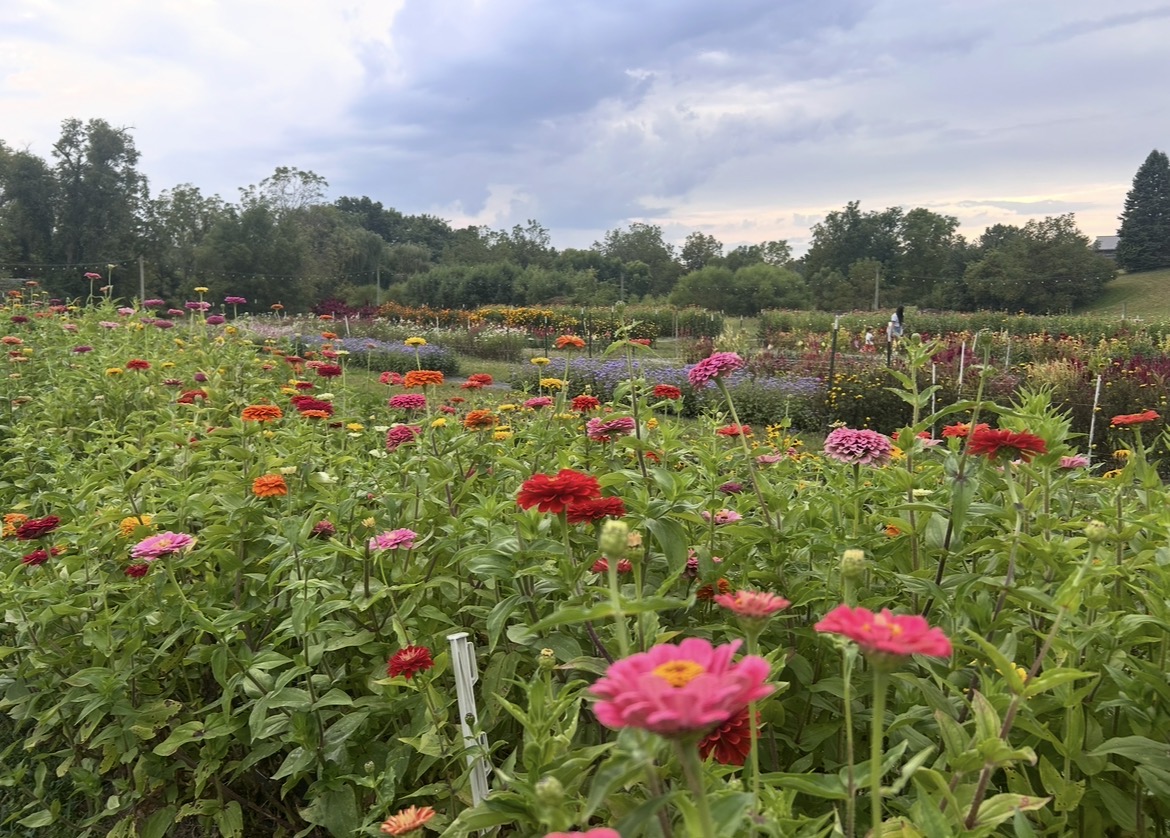
From growing food to planting flowers, gardening in Iowa is a versatile hobby that can be enjoyed on any scale. Iowa is known for its fertile soil, allowing a wide variety of plants to grow, which inspires many household and community gardens.
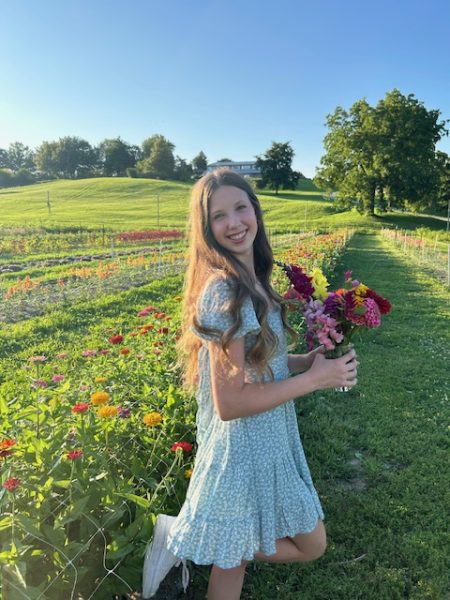
People of all ages participate in gardening, including Liberty High School students. Sephora Whalen (she/her), 10, has been gardening for six years.
“I started gardening because I wanted a fun project to do that includes being outside with nature,” Whalen said. “I love being outdoors and gardening is the perfect way to spend that time.”
In addition to the natural beauty of being outside, people garden for a variety of reasons, including growing food, improving the environment and creating a sense of community.
Roy Hansen (he/him) is a long-time gardener in Iowa and has been a member of multiple gardening clubs and programs, including the Master Gardener Program, which provides extensive information on horticulture in exchange for volunteering in the community.
“I enjoy gardening because I can experiment and develop flowers and plants that improve the landscape. I always enjoyed growing different varieties of plants,” Hansen said. “I had 8-10 different roses and at one time 60 different varieties of hostas.”
Factors, including rainfall, sunlight, soil fertility, temperature zones and frost dates, influence gardening.
The Iowa City area is a USDA Hardiness Zone 5, a zone based on temperature. The Zone 5 rating allows a variety of plants to thrive; however, the caution with planting is frost dates, which constrain the growing season for many plants. The last frost is typically in late April, and the first frost date ending the outdoor gardening season is in late October. Many gardeners will start their seeds inside in early spring before transferring them outside after the last frost.
“My favorite part of gardening is getting to plant the plants as little seeds, then getting to watch them grow into big plants,” Whalen said.
Gardening has multiple benefits stemming from it. Gardens that grow food not only give you fresh produce, but they can also reduce long-term costs. Additionally, gardening benefits the environment in multiple ways by aiding pollination, increasing photosynthesis and through the establishment of more root systems that increase water filtration and stabilize soil.
According to research, gardening is beneficial to both mental and physical health. Gardening reduces cortisol levels, a stress hormone, and also improves emotional well-being as a result of being outside and digging in the soil, which exposes you to microorganisms, beneficial bacteria and vitamin D. It improves cognitive functions, supports mindfulness and promotes fitness while also allowing people to form a sense of community through gardening groups and community gardens.
“I also found gardening as a way to reduce stress. There was something calming when digging in the dirt,” Hansen said.
Hansen and Whalen both shared advice for emerging gardeners and encouraged people to get involved.
“Make sure you find good plants that match the environment that it will be in,” Whalen said.
“[My tip] is to find others who share an interest in varieties of plants,” Hansen said.