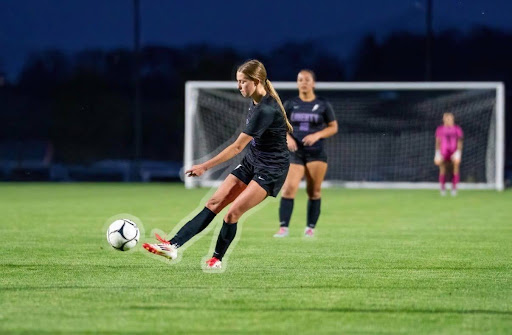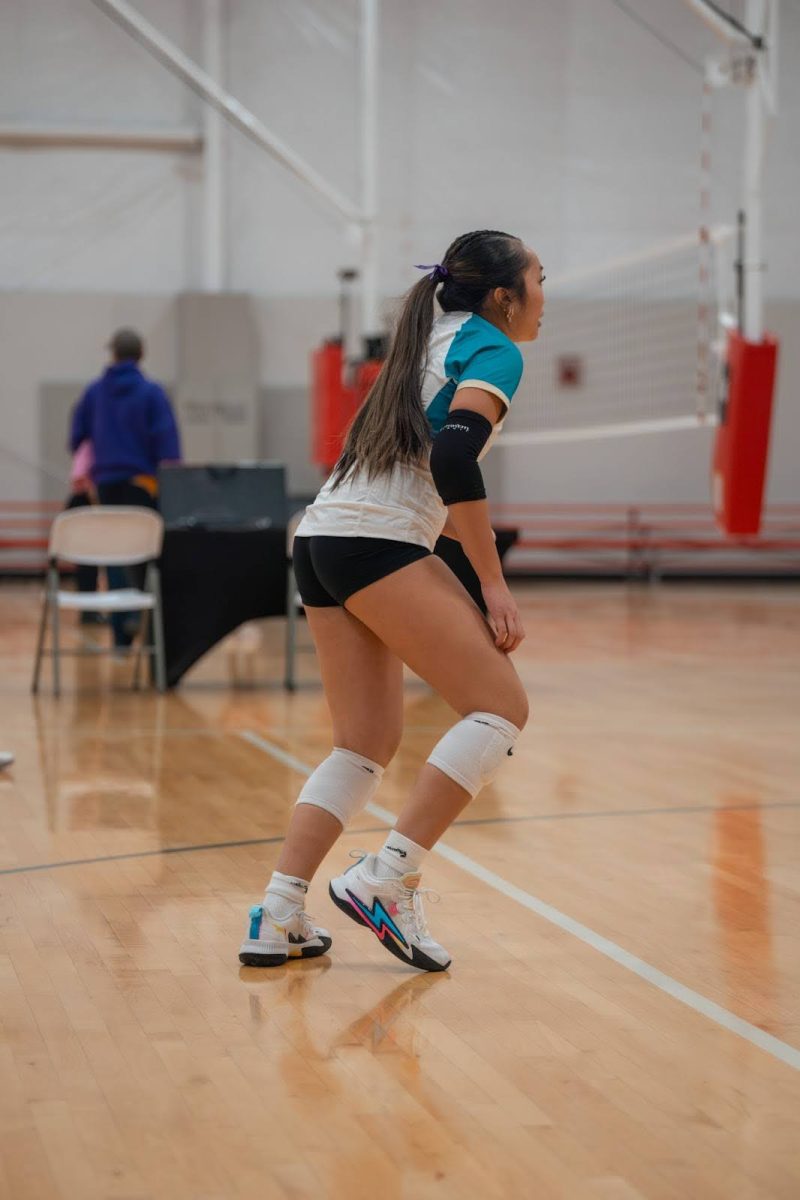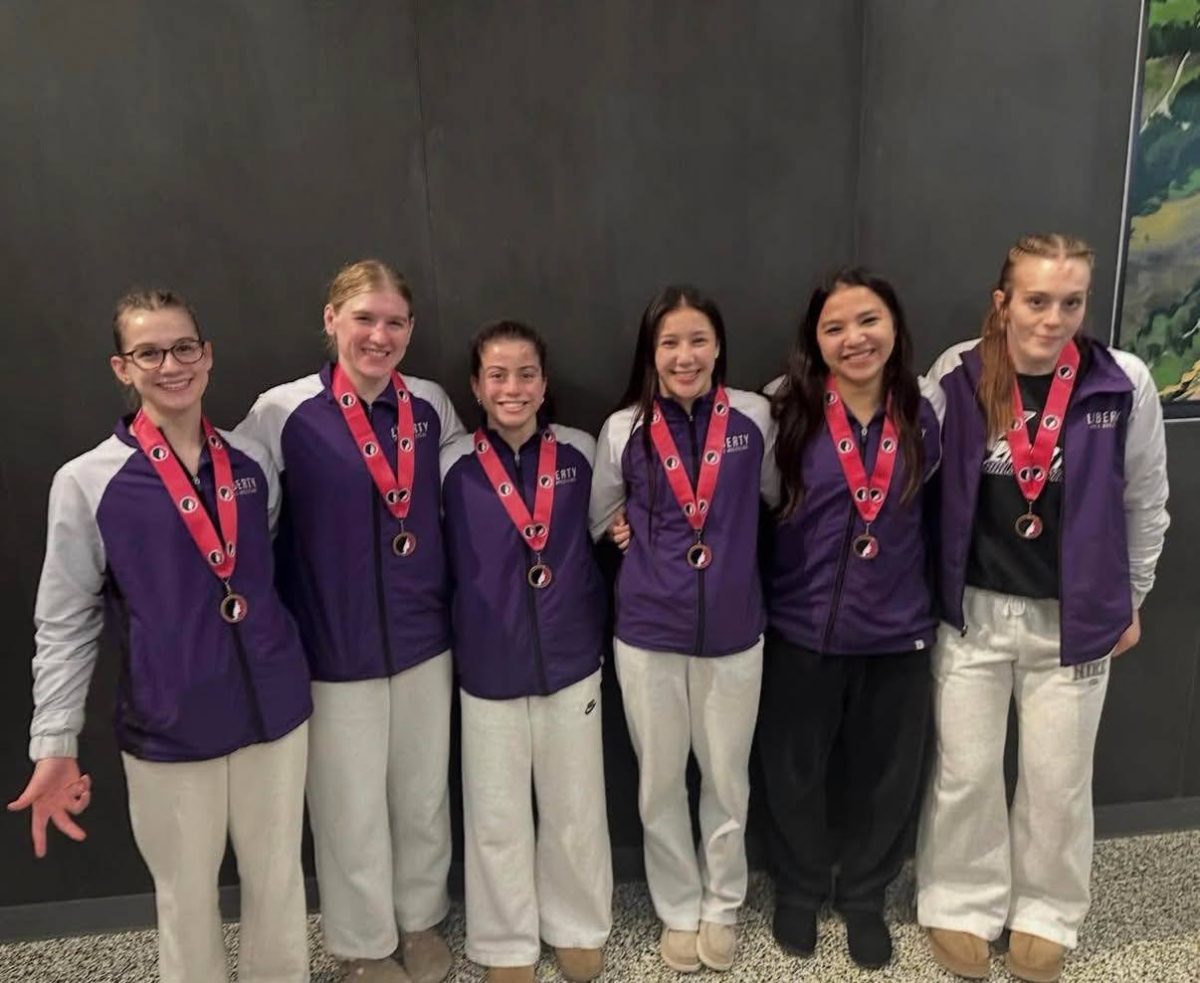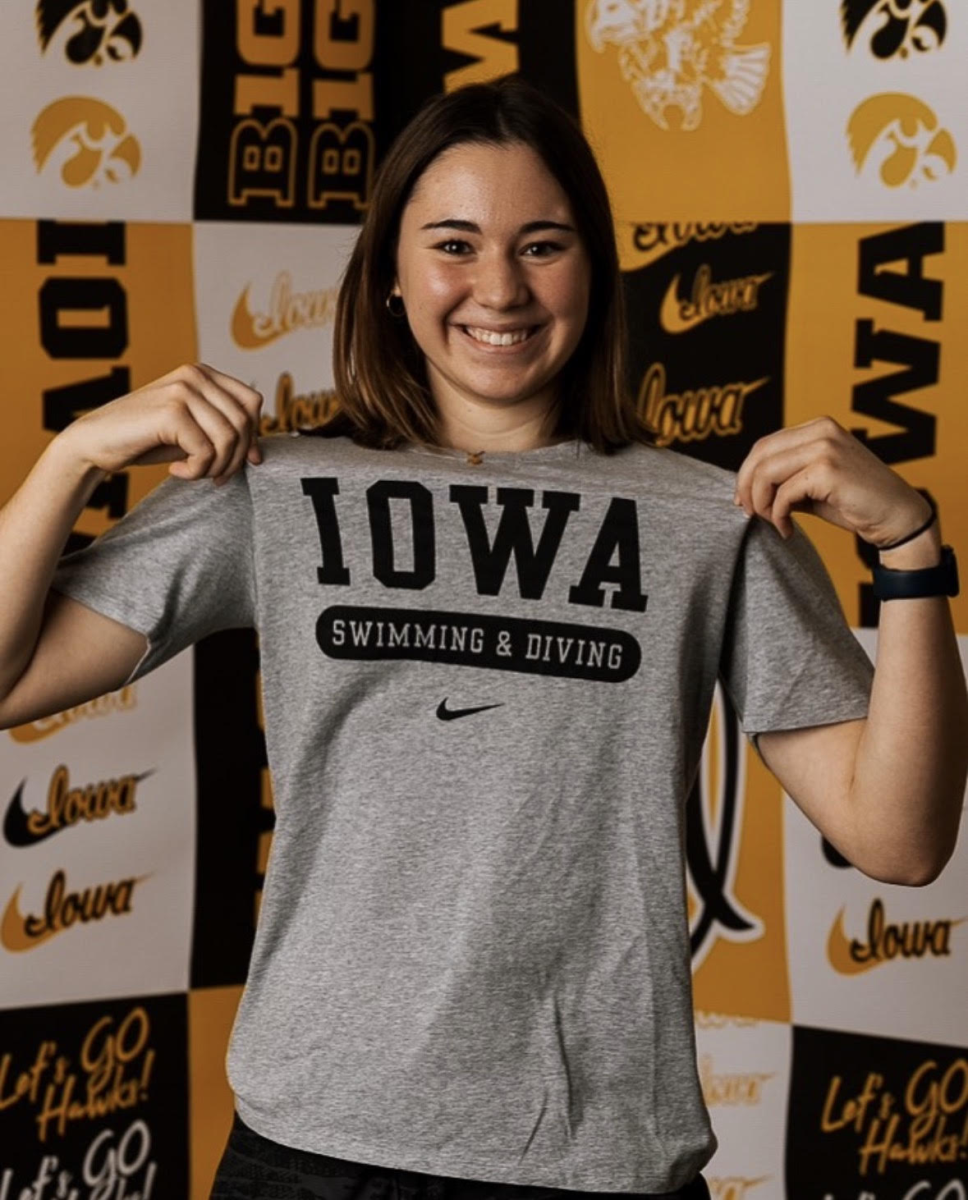
Less than 2% of high school athletes compete at the Division I level, making it one of the most competitive stages in college athletics. Freshmen Zita Bernatsky and Kamila Swanson from the University of Iowa diving team share what it took to reach the D1 level, and how this goal changed their life.
The recruiting process is often viewed as simple. The truth is that it takes far more than being talented to get recruited to these schools. The path to earning an opportunity to get recruited takes sacrifices that most people don’t see. These sacrifices can be different for each athlete.
For Swanson, sacrifice meant leaving her family for months.
“I gave up a lot to go D1,” Swanson said. “I had to go to Lithuania for five months to get practice, and during that, I had to learn how to live away from people, away from my comfort, which I knew I needed to have that skill for dealing with athletics, and during that, the coaches at college really noticed me.”
For Bernatsky, the sacrifice came in her daily routine.
“During high school, I had to give up most of my free time,” Bernatsky said. “While friends would be hanging out or going to events, I would often be at practices, lifting and studying to keep up with academics. I also had to be more conscious about my sleep and nutrition to be able to perform at peak.”
Stress can arise from the recruiting process. Getting to know different schools and coaches on top of balancing your school work.
“I handled that pressure by focusing on what I can control, focusing on my performance, academics, and work ethic, and letting the rest of recruiting align itself,” Bernatsky said.
Once recruited, the challenges continue. The transition from high school athletics to Dl requires another level of commitment.
“Being a D1 athlete is like having a full-time job while also being a student. Your schedule is packed, with practice, lift, recovery, class, travel and film. It really teaches you to manage time well,” Bernatsky said. “The level of competition is much higher, and recovery really has become much more crucial with all the hours spent training. It forced me to manage time well and take accountability for my well-being.”
For high school athletes who hope to be able to compete at the next level, Bernatsky has advice.
“High school athletes should focus on development by prioritising improvement and consistency,” Bernatsky said. “I feel coachability and communication are two key aspects that stand out to college coaches. Having an open mind to feedback and then also being able to converse with coaches are very important.”
While talent may open the door for the opportunity to compete at the D1 level, these athletes had to make sacrifices,staying resilient and disciplined, long before stepping onto the college campus.