By mid-February, storefronts glow pink and red, delivery trucks hum with urgency and inboxes fill with reminders from loved ones. Valentine’s Day gift-giving, once a modest exchange of handwritten notes, has evolved into a multi-billion-dollar ritual that reveals as much about society as it does about romance.
Over 185 million adults in the US celebrate Valentine’s Day each year, and around 83% of the individuals who celebrate purchase gifts for loved ones. On average, each person spends around $200, so consumer spending is projected to be just over $29 billion in 2026, surpassing the 2025 record of $27.5 billion.
The modern Valentine’s economy reflects the tension of the need to spend more to show your commitment and appreciation. Consumers navigate between tradition and personalization, with classic staples competing against experiences and home-made items. The result is a holiday that feels both deeply personal and broadly commercial.
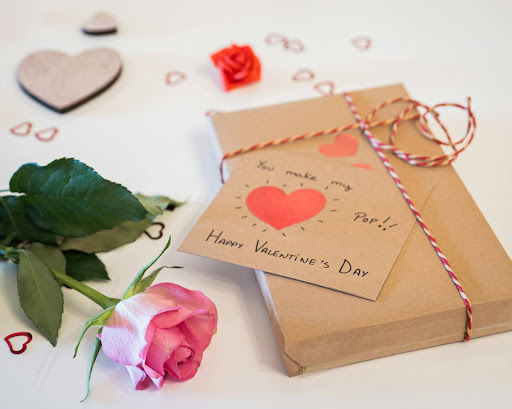
At its core, Valentine’s Day is about symbolism. A gift is rarely just a gift; it’s a proxy for effort and understanding. Even a homemade card can show thoughtfulness and appreciation. The meaning lies not in the price tag but in the perceived thoughtfulness of taking the time to find or make a gift for a loved one or friend.
Valentine’s gift-giving also shows the shift in relationship norms. Once centered almost exclusively on heterosexual couples, the holiday now encompasses friendships, self-love and familial bonds. “Galentine’s” gatherings and self-gifting trends challenge the idea that a partner’s purchase must validate that romance.
Another way to make the season more special is to support a local florist or bakery. The seasonal demand creates a challenge for many local businesses trying to keep up with corporations. Small businesses rely heavily on the holiday for revenue, making it a critical period for cash flow. For many local businesses and restaurants, Valentine’s Day can account for a significant amount of annual profits.
In recent years, spending patterns have shifted, and consumers have increasingly prioritized experiences over physical gifts. Travel, spa days, concerts and entertainment have become increasingly popular as gifts.
This holiday season, take time to find a meaningful gift from a local business, instead of a corporation. Buying or making an individualized gift is more personalized and shows appreciation with time and effort.