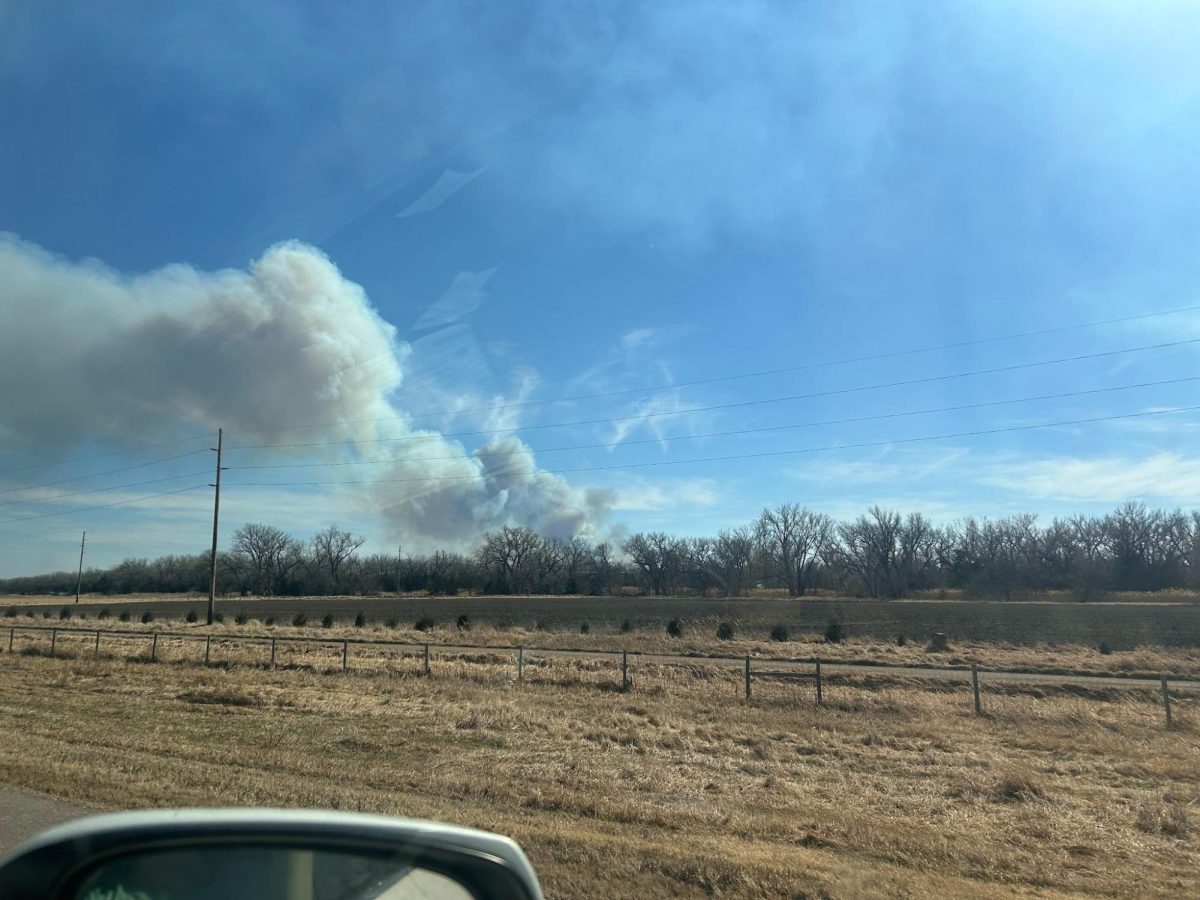
Iowa is renowned for its fertile soil and climate, which contribute to its strong agriculture, generating billions for Iowa’s economy and providing thousands of jobs (EPA).
Iowa endured low rainfall overall and drought-like conditions from 2020 to 2024, severely affecting crop yields and increasing stress on the farmers (Iowa DNR).
However, in 2025, there has been a trend of high precipitation and higher-than-average temperatures. In July, drought conditions ended, setting the record for the second-highest rainfall amount since 1993, the same year as the Great Flood (Iowa DNR).
Planting season occurs in late spring, typically starting in early to mid-April. During planting season, the temperatures must ensure there is no risk of frost, and there needs to be sufficient, but not excessive, water in the soil. This year, the climate was well equipped for planting, and farmers were ahead of schedule (Iowa Capital Dispatch).
Brian Brenny (he/him) is a farmer in Carroll, Iowa, who grows corn and raises cattle.
“This year, we were actually set up to have a record yield in the state of Iowa because we had a good planting season,” Brenny said. “The weather was very favorable, and there were dry conditions [when we planted].”
Nevertheless, obstacles ensued following the strong planting season.
“Everything was set up right, but what happened next was that we had way too much rainfall in July, and we also had hot temperatures at night,” Brenny said.
High precipitation and high temperatures can be beneficial. However, extreme weather can lead to problems like flooding, soil erosion, shifted planting and harvesting seasons and disease.
“ We don’t see [Southern Rust] very often, but this year storms brought Southern Rust up in a big way and earlier than we’ve ever seen before,” Brenny said. “All of that rain in July made that disease just blow up.”
Southern Rust is a disease that thrives in hot and humid climates. It has detrimental effects on crop yields and overall quality of the crop (Crop Protection Network).
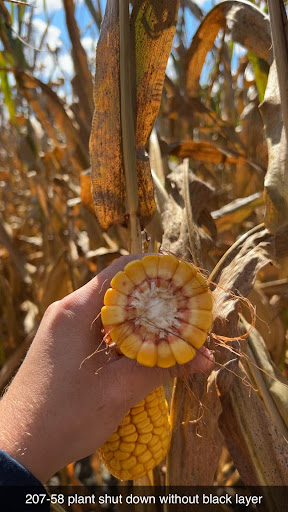
In addition, warmer nighttime temperatures lead to a decline in crop yields. Hotter temperatures lead to higher respiration in crops, prompting more water intake and usage of carbon that is vital for yields (Investigate Midwest).
Similarly, corn can take an especially hard hit from these warm temperatures during the night as it reduces vital pollination, furthermore decreasing crop yields (Investigate Midwest).
Overall, there are a variety of factors that affect crop yields and quality; however, farmers can use different practices to be better equipped for these challenges. Farmers can spray fungicides on crops, which can help protect them against diseases like Southern Rust. Reduced tillage and certain seeds can protect against droughts and aid overall soil nutrients by retaining water.
“Mother Nature holds all the cards; precipitation and temperature are different every year, so you just have to roll with the punches and adapt,” Brenny said.