The Lunar New Year begins on Feb. 17, marking the year of the horse, which symbolizes intense energy, rapid transformation and bold action. It is a major 15-day festival based on the lunisolar calendar that celebrates the arrival of spring and signifies the start of the new year.
It is the most significant holiday in China, as it is widely celebrated in South Korea, Vietnam and many other countries.
According to China Highlights, customs and traditions vary, but they all share the same value: bidding farewell to the old year and welcoming in the luck and prosperity of a new year. Common traditions include putting up decorations, offering sacrifices to ancestors, giving red envelopes and other gifts and watching lion and dragon dances.
Putting up decorations
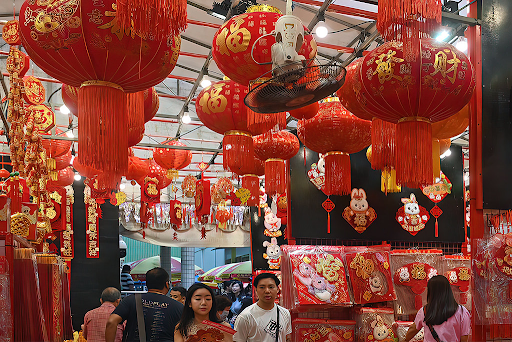
People clean and decorate for the Lunar New Year to sweep away the previous year’s bad luck, misfortune and stagnant energy. This creates a fresh, clean space to welcome good luck, health and prosperity. Decorations are primarily red, a color that is believed to bring good luck and happiness, while also warding off evil. Other decorations like blooming flowers, paper cutouts and tangerines are commonly seen, signifying good luck, health and wealth. This tradition is deeply rooted in Chinese, Vietnamese and Korean cultures, emphasizing the renewal of the home environment to match the symbolic renewal of life.
Offering sacrifices to ancestors
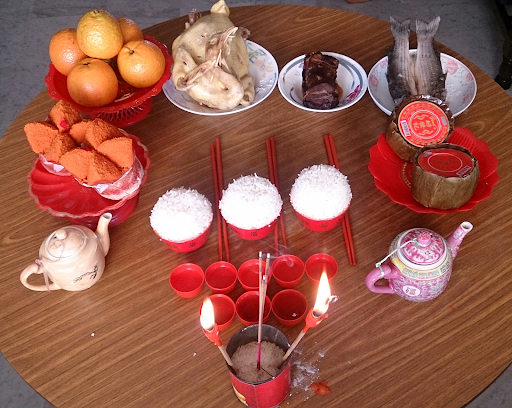
Offering gifts to ancestors is a tradition deeply rooted in Chinese culture to show respect for elders. Doing this honors family lineage and invites spirits to join the New Year celebration. Families typically place food, incense, fruits and paper items on altars to seek protection, prosperity and blessings for the upcoming year. It is believed that by honoring the deceased, they will watch over the living, bringing good fortune and ensuring a safe year.
Giving red envelopes and gifts
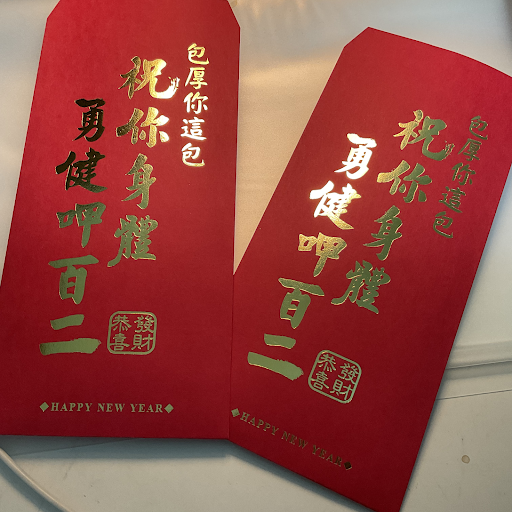
Red envelopes are given during the Lunar New Year to symbolize good luck, prosperity and happiness, while acting as a shield against evil spirits. Most of the time, these envelopes are filled with money and given by elders to children, family members or employees to bless them for the coming year. The color red represents fire, joy, energy and good luck in Chinese culture, while sometimes there are gold envelopes gifted, which represent wealth. Other gifting customs include candies or sweets to “bribe” deities to report good things about families.
Lion and dragon dances
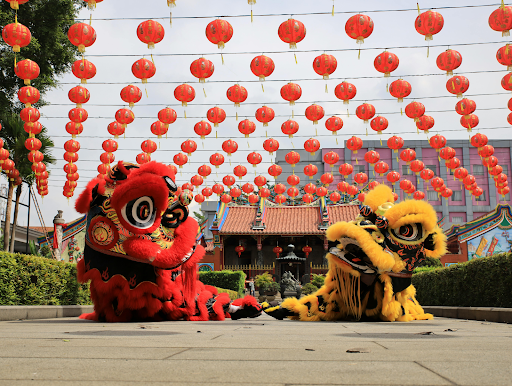
Lion and dragon dances are performed during Lunar New Year to chase away evil spirits and usher in prosperity, good luck and happiness for the coming year. The lion dance, a symbol of protection, traditionally is a two-person dance that is performed to scare away evil spirits and bring good fortune to businesses and homes. The lion often “eats” green lettuce, symbolizing the gathering of wealth. The dragon dance, a symbol of power, involves many people. It is used to bring good luck, ensure a bountiful harvest and symbolize prosperity.
More than just a holiday, the Lunar New Year is a reminder of the value of tradition, respect for ancestors and optimism for what lies ahead. As the new moon rises, millions around the world pause to honor the past while welcoming a fresh beginning.