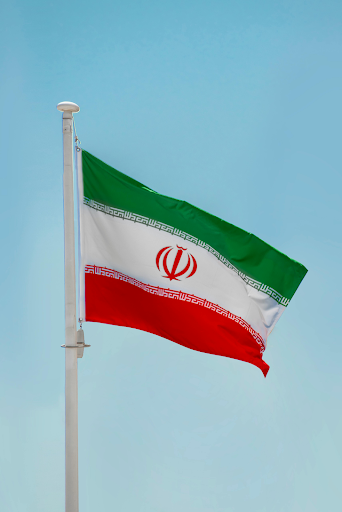
Bombings, threats and protests have swarmed Iran. As the casualty toll continues to grow, over 1,200 people in Iran and 217 in Lebanon have been killed since the most recent conflict began between the United States and Iran, according to CNN.
U.S. involvement in the Middle East, specifically Iran, is not a recent development, dating back to the 1950s, including a CIA-assisted coup sent by U.S. and British intelligence to overthrow Iran’s leader at the time and agreements surrounding oil production.
However, the nuclear discussions began in 1957 with the Atoms for Peace Program, which was an initiative by President Dwight D. Eisenhower to provide developing nations with nuclear technology and education. The following decades were marked with debates, hostage crises, revolutions, bombings and nuclear discussions.
In recent years, debate over Iran’s nuclear usage has intensified, with attempts at deals. After growing tension, on Feb. 28, 2026, the United States, along with Israel, launched an offensive military operation against Iran. The campaign killed Ayatollah Ali Khamenei, Iran’s supreme leader. A U.S. strike is rumored to have also hit a girl’s elementary school in Iran, killing over 168 students and 14 teachers.
President Donald Trump has claimed the reason for the operation is nuclear warfare; “to defend the American people by eliminating imminent threats from the Iranian regime.” He believed it would end the security threat and give Iran time to figure out its leadership, yet the details and claims surrounding the conflict have varied vaguely.
Despite the president’s claims, debates over the conflict and its legality have ensued.
People have claimed that Trump’s current push towards the conflict is overstepping his presidential power. According to the United States Constitution, the president has the jurisdiction of commanding the armed forces and managing foreign relations; however, only Congress has the right to officially declare war.
Additionally, Congressional Democrats debate whether Iran was an “imminent threat” and are looking to vote on the conflict.
The conflict is directly impacting Americans, especially Iowans. Two Iowan soldiers, Sgt. Declan Coady and Maj. Jeffery O’Brien were killed in the recent conflict due to a drone strike in Kuwait. Coady was 20, from West Des Moines, Iowa, and was one of the youngest in his class. O’Brien had been serving in the Army Reserve for almost 15 years.
The economy has also taken a hit. Gas and oil prices have increased due to the ongoing conflict’s disruption and damage of Middle Eastern countries, including their oil supplies and gas facilities. Prices have surpassed $100 a barrel, marking the first time in over three and a half years. The inflation shock poses a threat to U.S. economic recovery and the stock market. Multiple stocks, including the Dow Jones Industrial Average and the S&P 500, have fallen in the last week.
The future of the war is unknown, with debates circling the future involvement and duration of the war. Iran just named Ayatollah Ali Khamenei’s son, Mojitaba Kahmenei, as their new supreme leader. Trump previously spoke out against the possible selection, which raises concerns for the future of the Middle East.